

How Does Travel Insurance Work?

22 Nov. 2023
Wondering! How does travel insurance work, Well It works in addition to your everyday health insurance and can help supplement medical costs if you get sick or injured before or during your vacation.
Travel insurance is a plan that you purchase to protect yourself from certain financial risks and losses that can occur while traveling. Travel insurance policies can be purchased online, from your tour operator, or from other sources, It can be a useful protection for domestic or international travel. unlike auto insurance travel insurance is elective.
Depending upon the coverage chosen travel insurance can cover a broad array of possible damages and losses, including injury or sickness, lost luggage, trip cancellation, medical coverage, and more. These losses can be minor, like delayed baggage, or significant like a medical emergency
In this comprehensive guide we’ll delve into the intricacies of how travel insurance works covering key aspects from types of coverage to claims process.
How Travel Insurance Works?
The overview of the process in a nutshell:
- Purchase a Policy: Choose a plan that aligns with your trip and specific needs
- Policy Commencement: Coverage typically starts on the policy’s effective date
- Travel Events: Coverage is activated during specific events like trip departure, medical emergencies, or delays
- Claim Process: In the event of a covered incident, initiate the claims process by contacting the insurance provider
- Document Submission: Provide necessary documentation, such as medical records or police reports
- Claim Evaluation: The insurance company accesses the claims based on policy terms and conditions
- Reimbursement: Approved claims result in reimbursement for covered expenses

How Travel Insurance Works? – In Detail
Travel insurance works like most other insurance policies:
- The first step is to purchase coverage for a period of time to protect yourself against certain risks.
- Unfortunately, when a covered event occurs, You file a claim with the insurance company
- You then request payment or reimbursement for financial losses
Travel Insurance provides you the financial protection and assistance when unexpected events disrupt your travel plans.
Here are complete details on how travel insurance generally works:
- Purchasing a Policy Before Your Trip: You buy a travel insurance policy before your trip starts. There are various types of policies available, such as single-trip, multi-trip, or specific coverage for certain situations (e.g. medical or trip cancellation)
- Policy should be purchased before the start of your trip
- It is advisable to buy it as soon as you book your travel to maximize coverage
- Coverage Options: You can buy travel insurance coverage in other words policies that cover one reservation, an entire trip, or a specific period of time. Policies can provide protection for a single person or a whole family. Prices vary based on your age, protected items, coverage limit, and duration of coverage.
- Travel Insurance offers various coverage options such as trip cancellation, trip interruption, emergency medical expenses, baggage loss, and more
- Different policies cater to different needs, so choose one that aligns with your travel plans
- Policy Terms and Conditions:
- Thoroughly read and understand the terms and conditions of your policy
- Be aware of coverage limits, exclusions, and the claim process
- Policy Premium: You pay a premium for the coverage, which can vary based on factors like your age, trip duration, destination, and the level of coverage you choose.
- You pay a premium for the travel insurance policy
- Premium costs can vary based on factors mentioned above
- Traveling: You embark on your trip, whether it’s vacation, business travel, or any other kind of journey.
- Once your policy is active, you embark on your trip with the assurance that you are financially protected against unforeseen events
- Contacting Assistance Services: If an unexpected event occurs during your trip, such as an illness, injury, or travel delay, you contact the travel insurance provider or their assistance service.
- They will guide you on what to do next and provide assistance if necessary and may offer support such as medical referrals, evacuation assistance, or help with travel arrangements.
- Benefits: In addition to financial protection, the other huge benefit of travel insurance coverage is access to assistance services, wherever you are in the world.
- Travel Insurance companies have a team of travel and medical experts who can arrange medical treatment in an emergency, monitor your case, serve as interpreters, help you replace lost passports, and more.
- Claims Process: In most scenarios, travel insurance reimburses you for your covered financial losses after you file a claim.
- You should keep all receipts and documentation related to your trip and the incident that caused the loss or damage.
- Filing a Claim: When you incur expenses due to covered events (e.g., medical bills, hotel costs for trip delays), you can file a claim with the insurance company.
- You’ll need to provide documentation, such as medical reports, receipts, or police reports, depending on the nature of the claim.
- Claim Review: The insurance company assesses your claim based on the policy terms and the provided documentation.
- The insurance company reviews your claim, assessing it against the terms of the policy
- Claims processing times can vary, but efficient communication and providing complete documentation expedite the process
- Compensation: If your claim is approved, you’ll receive compensation to cover the eligible expenses, either through reimbursement or direct payment to service providers, depending on the policy.
- Policy Expiry: Your travel insurance coverage ends when your trip concludes or when the policy term expires, depending on the type of policy you purchased.
- Emergency Contact Information: Keep the emergency contact information of your travel insurance provider readily accessible during your trip
- Readiness for Unforeseen Events: Travel insurance provides peace of mind, ensuring you are financially prepared for unexpected situations during your trip
Travel Tips: Keep your policy documents and emergency contact information readily accessible during your trip in case you need to make a claim or seek assistance.
Understanding the intricacies of your travel insurance policy and being proactive in communication and documentation are crucial aspects of ensuring a smooth claims process in case of emergencies.
Coverage Components
- Medical Expenses: Covers emergency medical treatment, hospital stays, and evacuations
- Trip Cancellations/Interruptions: Reimburses non-refundable trip costs if the trip is canceled or cut short
- Baggage delay/ Lost luggage: Provides compensation for lost, stolen, or delayed baggage
- Travel Delay: Covers additional expenses due to covered travel delays
- Emergency Assistance Services: Offers 24/7 access to medical referrals and travel assistance
Add-On Protection
- Medical Evacuation Add-On: Specialized coverage for emergency transportation
- Adventure Sports Coverage: Protection for high risk activities
- Cancel For Any Reason (CFAR): Allows cancellations for non-covered reasons
- Rental Car Protection: Covers damage or theft of rental vehicles
Key Considerations:
- Policy Exclusions: Understand what is covered, such as pre-existing conditions or risky activities
- Review Policy Limits: Be aware of maximum limits for different coverages, like medical expenses or trip cancellations
- Pre-existing Conditions: Some policies may offer coverage for the sudden onset of Pre-existing Medical conditions
- Policy Durations: Policies have specific coverage periods, so ensure it aligns with your trip duration
Specialized Coverages:
- Pandemic/Travel Restrictions Insurance: Coverage for trip disruptions due to unexpected events
- Natural Disaster Protection: Addresses issues related to natural disasters during travel
Choosing The Right Plan
- Access your Needs: Tailor coverage to match your travel plans and potential risks
- Compare Plans: Evaluate multiple plans to find the one that best suits your requirements and budget
Benefits Of Travel Insurance
- Financial Protection: Safeguards against unexpected expenses and losses
- Peace of Mind: Provides reassurance and assistance during emergencies
- Flexibility: Some policies offer options like cancel for any reason providing added flexibility
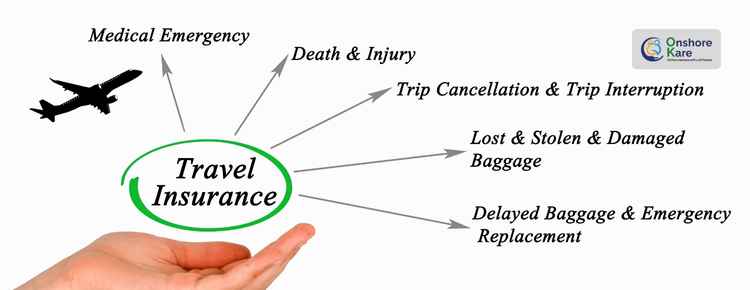
What Does The Travel Insurance Cover?
Travel insurance generally provides coverage for three things
- Protection for your financial losses
- Protection for your well-being
- Protection for your personal belongings
Travel insurance covers a wide range of possible damages and losses that can occur while traveling. Here are some of the things that travel insurance can cover.
Trip Cancellation Or Interruption Coverage:
This coverage reimburses for the non-refundable trip expenses if you have to cancel or interrupt your trip due to a covered reason (such as illness, injury, or severe weather).
Medical Expenses And Emergency-Evacuation Benefits
This coverage can help pay for medical expenses if you get sick or injured while traveling abroad. It can also cover emergency medical evacuation to transport you to a hospital or medical facility.
Baggage Loss Or Delayed Baggage:
This coverage can reimburse you for the cost of replacing lost baggage or delayed luggage, as well as any essential items you need to purchase while waiting for your luggage to arrive.
Travel Delays:
This coverage can reimburse for additional expenses incurred due to a covered travel delay (such as hotel accommodations, meals, and transportation).
Accidental Death Or Dismemberment:
This coverage provides a lump-sum payment to your beneficiary if you die or lose a limb or eyesight due to a covered accident while traveling.
Rental Car Damage
The rental car damage coverage can help pay for damages to a rental car while you’re traveling
Types of Travel Insurance
- Single Trip Insurance: Designed for a specific journey
- Multi Trip or Annual Insurance: Covers multiple trips within a specified period
- Limited
- Comprehensive Travel Insurance: Offers broad coverage, including medical coverage, trip cancellations, and more.
Types Of Travel Insurance Coverage
Here are some of the most common types of travel insurance coverage:
- Trip Cancellation or Interruption Coverage
- Baggage and Personal effects coverage
- Medical Expense Coverage
- Accidental Death and Dismemberment Coverage:
- Rental Property and Rental Cars Coverage
- Trip Delay Coverage
- Comprehensive Travel Insurance
Depending on the plan or the package selected, you may be able to add the following travel insurance types:
- Identity theft resolution services
- School activity coverage
- Destination wedding coverage
- Adventure Sports coverage
- Pet health as a reason for cancellations or delay
- Hunting or fishing activities as a reason for cancellation or delay
- Missed flight connections
It’s important to note that travel insurance plans usually don’t include coverage for every possible thing that can go wrong, you can add optional extras to your policy for an upcharge.
How To Choose A Travel Insurance Plan
Choosing the right travel insurance plan can be a daunting task, but it’s essential to ensure that you’re protected from unexpected events that can occur while traveling. Here are some tips on how to choose a travel Insurance Plan.
Remember, benefits vary by plan, Choose a plan that that fits your needs, your budget and your travel plan.
Determine Your Needs: Before purchasing travel insurance consider the specific risks associated with your trip. For example,
- If you’re traveling to a remote location, you may want to consider medical evacuation coverage.
- If you’re traveling during hurricane season, you may want to consider Trip cancellation coverage
Compare Plans: Research different travel insurance plans and compare their coverage, benefits, and costs. You can use an online marketplace like newoskwp.onshorekare.us/ to compare multiple providers and policies at once
Consider the Reputation of the Insurance company: Choose a reputable insurance company with a good track record of paying claims.
Understand the Coverage: Read the fine print of the policy documents, Plan documents carefully and understand what is covered and what is not covered. Understand the exclusions as some travel insurance policies have exclusions for pre-existing medical conditions, dangerous activities, or illegal activities.
Consider Comprehensive Coverage: Comprehensive travel insurance is typically a popular pick, covering a variety of situations such as trip cancellation, Trip interruption, Medical emergencies, travel delays, and luggage
Check for Duplicate Coverage: Check your existing health insurance, homeowner’s insurance, or credit card provider to see if they already provide coverage for certain travel-related incidents. You don’t want to pay for coverage you already have.
Consider the Cost: Travel insurance is typically a small percentage of your total trip costs – around 4% to 8%, according to the U.S. Travel Insurance Insurance Association. However, those percentages could fluctuate depending on the specific details of your trip. Determine what you can afford to lose and choose a plan that fits your budget
By following these tips, you can choose a travel insurance plan that provides the coverage you need and gives you peace of mind while traveling.

Coverage Beyond Your Credit Card
While credit cards may offer some insurance coverage for eligible purchases, the coverage limits may be low, and the coverage may not be comprehensive enough to cover all travel-related risks.
Optional add-ons for travel insurance plans can provide additional coverage beyond what credit cards offer. The cost of these add-ons can vary depending on the provider, the specific add-on, and the coverage limits.
The total cost of travel insurance plans and add-ons can vary based on factors such as the total number of travelers, the coverage level chosen, and the trip destination.
Get Add-On Protection For Your Trip
Many travel insurance providers offer add-on protection for your trip, allowing you to customize your coverage to fit your specific needs, add-ons are available on some travel insurance plans. Here are some examples of add-on protection that you can get for your trip.
- Adventure Travel Bundle: This add-on is available on some travel insurance plans and provides coverage for thrill-seeking activities such as bungee jumping, skydiving, and scuba diving
- Cancel For Any Reason (CFAR): Allows cancellation for non-covered reasons. This add-on allows you to cancel your trip for any reason and receive a partial refund of your trip for any reason.
- Rental Vehicle Damage Control: This add-on provides coverage for damage to rental cars during your trip.
- Medical Evacuation Coverage: This add-on provides coverage for emergency medical evacuation if you become seriously ill or injured while traveling and require immediate care.
- Flight Accident Coverage: This add-on provides coverage for accidents that occur during flight.
- Baggage Delay Coverage: This add-on provides coverage for expenses incurred due to delayed baggage during your trip.
- Sports Equipment Coverage: This add-on provides coverage for lost, stolen, or damaged sports equipment during your trip.
- Additional Accident And Sickness Medical Expenses: This add-on provides additional coverage for medical expenses abroad while traveling
- Vacation Rental Damage Protection: This add-on provides coverage for damage to vacation rental properties during your trip
- Adventure/Extreme Sports Protection: This add-on provides coverage for risky activities such as extreme sports.
What Travel Insurance Might Not Cover
While travel insurance can provide coverage for many unexpected events, there are some things it might not cover. Here are some of the most common things that travel insurance might not cover:
- Foreseeable Events: Most policies won’t cover events that were reasonably foreseeable when you purchased your policy, such as a known storm or epidemic
- Travel Restrictions: Travel insurance won’t cover you if you’re unable to travel due to government-imposed travel restrictions
- Pre-existing medical conditions: Most travel insurance policies have exclusions for Pre-existing medical conditions unless you purchase a policy with a pre-existing conditions waiver. At OnshoreKare we provide Travel Insurance and Trip Assistance Plans covering Pre-existing conditions.
- Dangerous Activities: Travel Insurance might not cover you if you’re injured while participating in certain dangerous activities, such as extreme sports or adventure activities.
- Illegal Activities: Travel Insurance won’t cover you if you are injured or incur losses while engaging in illegal activities, such as driving without a valid license
- Bad Weather: Travel Insurance won’t cover you if your trip is disrupted due to disappointing weather
- Certain Medical Issues: Some travel insurance policies won’t cover certain medical issues, such as psychological disorders or injuries resulting from self-inflicted harm
It’s important to note that travel insurance policies can vary widely, si it’s essential to read the policy documents carefully and understand what is covered and what is not.
What Is The Difference Between Comprehensive And Basic Travel Insurance Plans
Comprehensive and basic travel travel insurance plans differ in the amount and type of coverage they provide. Here are the main differences between the two types of plans:
Comprehensive Travel Insurance policy:
- Covers your financial investment in a trip and your health
- Typical policy people imagine when they think of trip insurance
- Provides superior protection and covers a variety of situations such as trip cancellation, interruption, medical emergencies, travel delays, and luggage.
- Includes many types of coverage bundled into one plan
- Generally more expensive than a basic travel insurance policy
Basic Travel Insurance
- Generally only covers your health
- Provides basic medical protection
- Has a pre-defined, fixed benefit coverage amount
- More affordable with lower premiums
When choosing between a comprehensive and basic travel insurance plan, it’s important to consider your specific needs and the risks associated with your trip. Comprehensive travel insurance is typically a popular pick, but it may not be necessary for shorter, less expensive trips domestically.
What Is The Free Look Period For Travel Insurance
Take advantage of the free look period offered typically 10 to 15 days to review your travel insurance plan. Read your policy documents carefully. You can cancel your policy without paying any penalty or surrender charges if.
If you have any doubts regarding the coverage and benefits offered by the travel insurance policy, ask the travel professionals or the travel insurance agent. Get your doubts cleared before the free look period ends.
Purchase A Travel Insurance Policy
Travel insurance may be purchased from travel agents, insurance companies, travel suppliers (airlines or cruise lines), or insurance brokers.
Many travel booking sites sell travel insurance but they just offer one plan or a few plans. You do not have all the plans to choose from.
Before you buy a travel insurance policy, it’s a good idea to compare quotes from multiple insurance providers. Most travel insurance companies offer free quotes on their website.
You can save your valuable time by visiting a travel insurance comparison website like newoskwp.onshorekare.us/ that compares quotes from multiple companies. you can also generate free multiple quotes till you are satisfied.
To get your free no-obligation quote you can:
- Click on the given link and generate a free no-obligation quote from leading providers.
- Compare travel insurance quotes from leading providers.
- Comparing multiple quotes ensures you are getting adequate coverage and spending the right amount required to get the coverage.
- Finally, you can buy online through our safe and secure link
- Get your confirmation of coverage instantly online via email.
Conclusion
Travel insurance serves as a crucial safety net, offering peace of mind and financial protection when the unexpected occurs. By understanding the types of coverage, the claim process, and key considerations, travelers can make informed decisions to ensure a smooth and secure journey. Always review policy details carefully, considering your unique needs and potential risks for a worry free travel experience.