

Top 50 Largest Cities In US By Population
20 Nov. 2024
Top 50 Largest Cities In US By Population
Are you curious about which American cities are home to the most people? The largest cities in US are not only bustling hubs of culture, innovation, and growth but also major urban centers that play a significant role in shaping the nation’s economy and social landscape.
From New York City’s unparalleled energy to the sprawling metropolitan area of Los Angeles, each major urban center offers something unique and dynamic.
In this guide, we’ll dive into the top 50 largest cities in the US, ranked by population, to explore what makes each one a key part of America’s urban fabric.
Whether you’re planning a visit or simply want to understand the country’s demographic makeup, this list offers insight into the most populated places across the nation.
Here Is A List Of The 50 Largest Cities In The United States By Population (Estimated):
| Sr/No | LARGEST CITIES | STATE | POPULATION (Estimated) |
|---|---|---|---|
| 1 | New York | New York | 8,800,000 |
| 2 | Los Angeles | California | 3,900,000 |
| 3 | Chicago | Illinois | 2,700,000 |
| 4 | Houston | Texas | 2,300,000 |
| 5 | Phoenix | Arizona | 1,700,000 |
| 6 | Philadelphia | Pennsylvania | 1,600,000 |
| 7 | San Antonio | Texas | 1,500,000 |
| 8 | San Diego | California | 1,400,000 |
| 9 | Dallas | Texas | 1,300,000 |
| 10 | San Jose | California | 1,000,000 |
| 11 | Austin | Texas | 1,000,000 |
| 12 | Jacksonville | Florida | 970,000 |
| 13 | Fort Worth | Texas | 955,000 |
| 14 | Columbus | Ohio | 910,000 |
| 15 | Charlotte | North Carolina | 900,000 |
| 16 | San Francisco | California | 870,000 |
| 17 | Indianapolis | Indiana | 870,000 |
| 18 | Seattle | Washington | 755,000 |
| 19 | Denver | Colorado | 735,000 |
| 20 | Washington | D.C. | 710,000 |
| 21 | Boston | Massachusetts | 675,000 |
| 22 | El Paso | Texas | 675,000 |
| 23 | Nashville | Tennessee | 670,000 |
| 24 | Detroit | Michigan | 665,000 |
| 25 | Oklahoma City | Oklahoma | 665,000 |
| 26 | Portland | Oregon | 660,000 |
| 27 | Las Vegas | Nevada | 650,000 |
| 28 | Memphis | Tennessee | 635,000 |
| 29 | Louisville | Kentucky | 625,000 |
| 30 | Baltimore | Maryland | 585,000 |
| 31 | Milwaukee | Wisconsin | 575,000 |
| 32 | Albuquerque | New Mexico | 565,000 |
| 33 | Tucson | Arizona | 545,000 |
| 34 | Fresno | California | 540,000 |
| 35 | Mesa | Arizona | 535,000 |
| 36 | Sacramento | California | 525,000 |
| 37 | Atlanta | Georgia | 515,000 |
| 38 | Kansas City | Missouri | 510,000 |
| 39 | Colorado Springs | Colorado | 495,000 |
| 40 | Omaha | Nebraska | 490,000 |
| 41 | Raleigh | North Carolina | 480,000 |
| 42 | Miami | Florida | 475,000 |
| 43 | Long Beach | California | 470,000 |
| 44 | Virginia Beach | Virginia | 460,000 |
| 45 | Oakland | California | 440,000 |
| 46 | Minneapolis | Minnesota | 430,000 |
| 47 | Tulsa | Oklahoma | 415,000 |
| 48 | Tampa | Florida | 410,000 |
| 49 | Arlington | Texas | 400,000 |
| 50 | New Orleans | Louisiana | 390,000 |
| Largest Cities In US |
These cities are ranked by population and are dynamic centers of culture, commerce, and development. These are estimated populations not exact population data. If you are visiting the United States consider getting travel insurance as medical expenses in the USA can be quite expensive.
Here’s A List Of The Largest Cities In The Main U.S. Territories, Ranked By Population (Estimated):
1. Puerto Rico
| Sr/No | LARGEST CITIES | POPULATION (Estimated) |
|---|---|---|
| 1 | San Juan | 320,000 |
| 2 | Bayamón | 170,000 |
| 3 | Carolina | 147,000 |
| 4 | Ponce | 137,000 |
| 5 | Caguas | 120,000 |
2. Guam
| Sr/No | LARGEST CITIES | POPULATION (Estimated) |
|---|---|---|
| 1 | Dededo | 45,000 |
| 2 | Yigo | 20,000 |
| 3 | Tamuning | 19,000 |
| 4 | Mangilao | 15,000 |
| 5 | Barrigada | 9,000 |
3. U.S. Virgin Islands
The U.S. Virgin Islands, a picturesque U.S. territory nestled in the Caribbean Sea, boasts a population of around 109,000 people, according to the 2020 census.
The largest city in this tropical paradise is Charlotte Amalie, located on the island of St. Thomas. Known for its stunning beaches, vibrant coral reefs, and rich cultural heritage, the U.S. Virgin Islands offer a unique blend of natural beauty and historical significance.
Whether you’re exploring the bustling streets of Charlotte Amalie or relaxing on a pristine beach, the islands provide a captivating experience for both residents and visitors.
3. U.S. Virgin Islands
| Sr/No | LARGEST CITIES | POPULATION (Estimated) |
|---|---|---|
| 1 | Charlotte Amalie (St. Thomas) | 18,000 |
| 2 | Christiansted (St. Croix) | 13,000 |
| 3 | Frederiksted (St. Croix) | 3,000 |
4. American Samoa
| Sr/No | LARGEST CITIES | POPULATION (Estimated) |
|---|---|---|
| 1 | Tafuna | 11,000 |
| 2 | Pago Pago | 3,600 |
| 3 | Leone | 3,000 |
5. Northern Mariana Islands
| Sr/No | LARGEST CITIES | POPULATION (Estimated) |
|---|---|---|
| 1 | Saipan | 48,000 |
| 2 | San Antonio | 3,500 |
| 3 | Koblerville | 3,200 |
| 4 | Chalan Kanoa | 3,000 |
These cities represent the largest urban areas in the U.S. territories.
Overview Of US Cities By Population
The United States is home to many populous cities, with the largest city being New York City.
The Census Bureau defines an incorporated place as a city, town, village, borough, or municipality.
Incorporated cities are the building blocks of metropolitan areas and are often hubs for industry, commerce, and culture.
Definition Of A Populous City
A populous city is typically defined as a city with a large population, often exceeding 100,000 residents.
Urban sprawl is a common feature in many populous cities, leading to expanded metropolitan areas.
The size of a city’s population can have a significant impact on its economy and overall character.
Cities with large populations often have a diverse range of industries, cultural attractions, and educational institutions.
Census Bureau Data
The United States Census Bureau plays a pivotal role in collecting and analyzing data on the nation’s population. Conducting a comprehensive census every 10 years, the Census Bureau provides a detailed snapshot of the population and its characteristics. This data is crucial for determining the number of representatives each state has in the House of Representatives and for allocating federal funding to various programs. Additionally, the Census Bureau releases annual population estimates, offering a more current view of demographic trends. This information is invaluable for understanding the dynamics of the largest cities and the nation as a whole.
Largest Cities In The US
- The largest cities in the US are often located in states with large populations, such as California, Texas, and New York.
- Cities like Oklahoma City, Kansas City, San Diego, and San Antonio are among the top 20 most populated cities in the US.
- The largest cities in the US are a key indicator of population growth and potential for future economic growth.
Top 10 Largest Cities By Population (Estimated)
- New York City is the largest city in the US, with a population of over 8.4 million people.
- Los Angeles, Chicago, Houston, Phoenix, Philadelphia, San Antonio, San Diego, Dallas, and San Jose are among the top 10 most populated cities in the US.
- These cities are often hubs for industry, commerce, and culture, and have a significant impact on the national economy.
Demographic Trends In US Cities
Demographic trends in US cities are influenced by factors such as migration, birth rates, and economic conditions. Migration patterns significantly influence the demographic trends in US cities. Cities that have seen continued growth tend to be more affordable and are located in warmer climates in the southern US. The COVID-19 pandemic has led to a work-from-home culture, allowing city residents to move to the suburbs and beyond.
Population Growth And Decline
- Population growth and decline, influenced by economic conditions, can have a significant impact on a city’s economy and overall character.
- Cities that are experiencing population growth often have a diverse range of industries and cultural attractions.
- Cities that are experiencing population decline may face challenges such as reduced tax revenue and decreased economic activity.
Economic Factors
Economic factors significantly influence the lives of city residents and the overall health of urban areas. Key elements such as the job market, cost of living, and access to education and healthcare play crucial roles in shaping a city’s economic landscape.
Job Market
A robust job market is essential for a city’s prosperity, providing residents with stable employment and good incomes. Cities like San Jose, California; Austin, Texas; and Seattle, Washington, are renowned for their strong job markets. These cities, with their high concentration of tech companies and startups, offer a plethora of job opportunities, attracting talent from across the nation. A thriving job market not only boosts the local economy but also enhances the quality of life for city residents.
Quality Of Life
The quality of life in a city is influenced by various factors, including the cost of living, access to education and healthcare, and the overall safety and cleanliness of the environment.
Education
Access to quality education is a cornerstone of a city’s quality of life. Cities like San Francisco, California; Boston, Massachusetts; and Denver, Colorado, are celebrated for their excellent educational institutions. These cities host top-ranked universities and colleges, along with outstanding public and private schools. The availability of high-quality education not only enriches the lives of city residents but also boosts the economic prospects of the community. A strong educational system is a key driver of a city’s long-term success and vitality.
Cities By Region
- The US can be divided into four main regions: the Northeast, South, Midwest, and West.
- Each region has its own unique characteristics, including climate, culture, and economy.
North East Region
- The Northeast region is home to many populous cities, including New York City and Boston.
- Cities in the Northeast region are often hubs for industry, commerce, and culture.
- The region is known for its dense population and high cost of living.
South Region
- The South region is home to many growing cities, including San Antonio and Austin.
- Cities in the South region are often more affordable than those in the Northeast and have a warmer climate.
- The region is known for its diverse culture and rich history.
Midwest Region
- The Midwest region is home to many populous cities, including Chicago and Detroit.
- Cities in the Midwest region are often hubs for industry and commerce.
- The region is known for its flat plains and cold winters.
West Region
- The West region is home to many growing cities, including San Diego and San Jose.
- Cities in the West region are often more affordable than those in the Northeast and have a warmer climate.
- The region is known for its diverse culture and stunning natural beauty, including the Pacific Ocean and the Rocky Mountains.
Largest City In The US
- New York City is the largest city (most populated city) in the US, with a population of over 8.4 million people.
- The city is a hub for industry, commerce, and culture, and has a significant impact on the national economy.
- New York City is located in the state of New York and is the national capital of the US.
New York City: The Largest City In The US
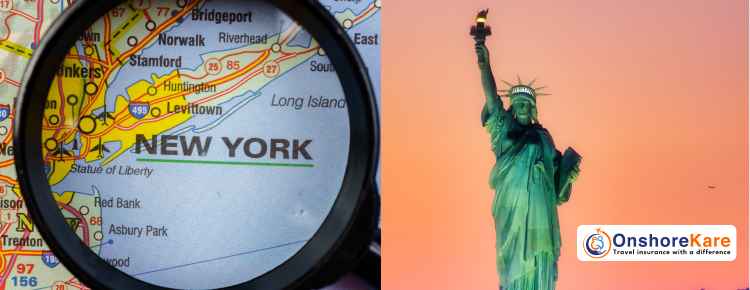
- New York City is a global hub for finance, media, and culture.
- The city is home to many iconic landmarks, including the Statue of Liberty and Central Park.
- New York City is a diverse and vibrant city, with a wide range of cultural attractions and educational institutions.
Largest Cities By State
- Each state in the US has its own unique characteristics, including climate, culture, and economy.
- Some states, such as California and Texas, have many populous cities, while others, such as Delaware and Maine, have fewer.
List Of Largest Cities By State
- The largest city in each state can be found in the table below.
- The table includes the name of the city, its population, and its location.
- The table also includes information on the state capital and the largest city in each state.
Here’s A List Of The Largest Cities By Population In Each U.S. State:
| Sr/No | U.S. STATE | LARGEST CITY | POPULATION (Estimated) |
|---|---|---|---|
| 1 | Alabama | Birmingham | 209,403 |
| 2 | Alaska | Anchorage | 298,695 |
| 3 | Arizona | Phoenix | 1,608,139 |
| 4 | Arkansas | Little Rock | 202,591 |
| 5 | California | Los Angeles | 3,898,747 |
| 6 | Colorado | Denver | 727,211 |
| 7 | Connecticut | Bridgeport | 148,654 |
| 8 | Delaware | Wilmington | 70,166 |
| 9 | Florida | Jacksonville | 937,934 |
| 10 | Georgia | Atlanta | 496,461 |
| 11 | Hawaii | Honolulu | 345,510 |
| 12 | Idaho | Boise | 237,446 |
| 13 | Illinois | Chicago | 2,696,555 |
| 14 | Indiana | Indianapolis | 882,039 |
| 15 | Iowa | Des Moines | 212,031 |
| 16 | Kansas | Wichita | 395,699 |
| 17 | Kentucky | Louisville | 628,549 |
| 18 | Louisiana | New Orleans | 376,971 |
| 19 | Maine | Portland | 68,313 |
| 20 | Maryland | Baltimore | 576,498 |
| 21 | Massachusetts | Boston | 654,776 |
| 22 | Michigan | Detroit | 632,464 |
| 23 | Minnesota | Minneapolis | 425,336 |
| 24 | Mississippi | Jackson | 149,761 |
| 25 | Missouri | Kansas City | 508,394 |
| 26 | Montana | Billings | 117,445 |
| 27 | Nebraska | Omaha | 487,300 |
| 28 | Nevada | Las Vegas | 646,790 |
| 29 | New Hampshire | Manchester | 115,462 |
| 30 | New Jersey | Newark | 307,220 |
| 31 | New Mexico | Albuquerque | 562,599 |
| 32 | New York | New York City | 8,467,513 |
| 33 | North Carolina | Charlotte | 879,709 |
| 34 | North Dakota | Fargo | 126,748 |
| 35 | Ohio | Columbus | 906,528 |
| 36 | Oklahoma | Oklahoma City | 687,725 |
| 37 | Oregon | Portland | 641,162 |
| 38 | Pennsylvania | Philadelphia | 1,576,251 |
| 39 | Rhode Island | Providence | 189,692 |
| 40 | South Carolina | Charleston | 156,313 |
| 41 | South Dakota | Sioux Falls | 207,099 |
| 42 | Tennessee | Nashville | 678,851 |
| 43 | Texas | Houston | 2,288,250 |
| 44 | Utah | Salt Lake City | 199,142 |
| 45 | Vermont | Burlington | 42,284 |
| 46 | Virginia | Virginia Beach | 450,189 |
| 47 | Washington | Seattle | 753,675 |
| 48 | West Virginia | Charleston | 50,821 |
| 49 | Wisconsin | Milwaukee | 594,833 |
| 50 | Wyoming | Cheyenne | 65,132 |
| largest Cities By Population In Each U.S. State |
These cities are the most populous in their respective states.
List Of The 50 Largest Cities In The United States By Land Area (square miles):
| Sr/No | LARGEST CITY | STATE | AREA (Square Miles) |
|---|---|---|---|
| 1 | Sitka | Alaska | 2,870.3 sq mi |
| 2 | Juneau | Alaska | 2,701.9 sq mi |
| 3 | Wrangell | Alaska | 2,541.5 sq mi |
| 4 | Anchorage | Alaska | 1,944.0 sq mi |
| 5 | Jacksonville | Florida | 874.3 sq mi |
| 6 | Anaconda | Montana | 736.5 sq mi |
| 7 | Butte-Silver Bow | Montana | 716.2 sq mi |
| 8 | Oklahoma City | Oklahoma | 620.3 sq mi |
| 9 | Houston | Texas | 599.6 sq mi |
| 10 | Phoenix | Arizona | 518.0 sq mi |
| 11 | Nashville-Davidson | Tennessee | 475.1 sq mi |
| 12 | Los Angeles | California | 469.1 sq mi |
| 13 | San Antonio | Texas | 460.9 sq mi |
| 14 | Suffolk | Virginia | 429.1 sq mi |
| 15 | Buckeye | Arizona | 393.2 sq mi |
| 16 | Indianapolis | Indiana | 368.0 sq mi |
| 17 | Chesapeake | Virginia | 351.7 sq mi |
| 18 | Dallas | Texas | 343.0 sq mi |
| 19 | Fort Worth | Texas | 342.2 sq mi |
| 20 | Louisville | Kentucky | 340.5 sq mi |
| 21 | San Diego | California | 325.2 sq mi |
| 22 | Memphis | Tennessee | 317.4 sq mi |
| 23 | Kansas City | Missouri | 315.0 sq mi |
| 24 | New York | New York | 302.6 sq mi |
| 25 | Augusta | Georgia | 302.5 sq mi |
| 26 | Austin | Texas | 297.9 sq mi |
| 27 | Charlotte | North Carolina | 297.7 sq mi |
| 28 | El Paso | Texas | 255.2 sq mi |
| 29 | Virginia Beach | Virginia | 248.3 sq mi |
| 30 | Chicago | Illinois | 234.0 sq mi |
| 31 | Tucson | Arizona | 226.7 sq mi |
| 32 | Columbus | Ohio | 223.2 sq mi |
| 33 | Columbus | Georgia | 220.8 sq mi |
| 34 | Boulder City | Nevada | 208.5 sq mi |
| 35 | California City | California | 203.6 sq mi |
| 36 | Huntsville | Alabama | 202.8 sq mi |
| 37 | Lexington-Fayette | Kentucky | 199.0 sq mi |
| 38 | Cusseta | Georgia | 193.2 sq mi |
| 39 | Albuquerque | New Mexico | 189.5 sq mi |
| 40 | Valdez | Alaska | 191.3 sq mi |
| 41 | Mesa | Arizona | 185.6 sq mi |
| 42 | Fresno | California | 185.2 sq mi |
| 43 | San Jose | California | 180.5 sq mi |
| 44 | Scottsdale | Arizona | 178.4 sq mi |
| 45 | Denver | Colorado | 154.9 sq mi |
| 46 | Portland | Oregon | 145.1 sq mi |
| 47 | Seattle | Washington | 142.5 sq mi |
| 48 | Atlanta | Georgia | 137.9 sq mi |
| 49 | Las Vegas | Nevada | 136.5 sq mi |
| 50 | Orlando | Florida | 110.5 sq mi |
| Largest Cities In The United States By Land Area |
These cities are ranked by their total land area and include cities with large expanses, especially in states like Alaska, Montana, and Texas.
In America, Houston is both the largest city by area and the most populated city in Texas, It is the only major city in America without land-use zoning regulation.
Anchorage, Alaska.
- Anchorage is home to about 40% of Alaska’s population.
- It is known for its stunning natural surroundings, with the ability to see six mountain ranges on clear days, and Denali, the highest peak in North America, is visible from the city on clear days.
U.S. Census Bureau categorizes and defines populated areas for statistical and administrative purposes. Here’s a breakdown:
Incorporated Places:
- These are legally defined municipalities that have been established under state laws and have a recognized form of local government, such as a city, town, village, township, or borough.
- Incorporated places usually have their own governing body, such as a mayor and a city council, and provide services to their residents (police, fire, sanitation, etc.).
- Examples include cities like New York, Los Angeles, and Chicago.
Census-Designated Places (CDPs):
- CDPs are areas identified by the Census Bureau for statistical purposes. They represent populated areas that are not legally incorporated under state laws, meaning they don’t have their own municipal government.
- CDPs often have residential populations and can function like small towns, but they lack formal city governments. These areas may still receive services from a county or another local government entity.
- CDPs can include suburban areas, neighborhoods, or unincorporated communities.
- Examples include places like Reston, Virginia, or Paradise, Nevada.
In summary, incorporated places have legal recognition and self-government, while CDPs are statistical areas without formal government structures, used for data collection purposes.
Conclusion
The US is home to many populous cities, each with its own unique characteristics.
The largest cities in the US are often hubs for industry, commerce, and culture, and have a significant impact on the national economy.
Understanding demographic trends and population growth can help us better understand the challenges and opportunities facing US cities.
Summary Of Key Findings
The largest city in the US is New York City, with a population of over 8.4 million people.
The US can be divided into four main regions: the Northeast, South, Midwest, and West.
Each region has its own unique characteristics, including climate, culture, and economy.
Cities that have seen continued growth tend to be more affordable and are located in warmer climates in the southern US.
The COVID-19 pandemic has led to a work-from-home culture, allowing city residents to move to the suburbs and beyond.
FAQ
1. What is the largest city in the United States by population?
New York City is the largest city in the United States by population, with over 8 million residents, making it a bustling metropolitan hub and a global cultural and economic center.
2. How are the largest cities in the US ranked?
Cities in the US are ranked by population based on data from the US Census Bureau, which conducts a detailed population count every ten years and provides annual estimates.
3. Which are the fastest-growing cities in the US?
Cities like Austin, Texas; Phoenix, Arizona; and Charlotte, North Carolina, are among the fastest-growing due to economic opportunities, favorable climates, and high quality of life.
4. Are the largest cities in the US the same as the most densely populated?
Not necessarily. While some large cities are densely populated, like New York City, others, like Houston, have more land area and lower density despite their large populations.
5. How has the population of the largest cities in the US changed over time?
Many large cities have seen significant population growth due to urbanization, economic opportunities, and migration trends. Some cities have experienced population declines due to shifts in industry and lifestyle preferences.
6. What are the top 5 largest metropolitan areas in the US?
The top 5 metropolitan areas include New York, Los Angeles, Chicago, Dallas-Fort Worth, and Houston. These areas encompass surrounding suburbs and cities that contribute to their population size.
7. Which state has the most cities in the top 50 largest by population?
California has the most cities in the top 50, including Los Angeles, San Diego, and San Jose, driven by its diverse economy, climate, and numerous urban centers.
8. Why is it important to know about the largest cities in the US?
Understanding the largest cities gives insights into cultural diversity, economic trends, and social dynamics in the US. It also helps travelers, businesses, and policymakers make informed decisions.
9. Do the largest cities in the US have the highest cost of living?
Often, but not always. Larger cities like New York and San Francisco have higher costs of living, but some large cities, like San Antonio and Jacksonville, offer a more affordable lifestyle.
10. What is the difference between a city’s population and its metropolitan population?
A city’s population refers to those living within the city limits, while the metropolitan population includes surrounding suburbs and urban areas connected economically and socially to the city.
11. What is formally known as the District of Columbia?
District of Columbia (Washington, D.C.) – Although not exactly a “Columbia,” the U.S. capital is formally known as the District of Columbia.
12. Which state has the most cities shrinking by more than 1% per year?
Of the cities shrinking by more than 1% per year, a majority of them are located in California.
13. Which is the largest urban parks in the country?
The largest urban park in the United States is Chugach State Park in Anchorage, Alaska. Spanning over 495,000 acres.
14. Which is the biggest city in the world by population?
Tokyo with a population of 37 million is the biggest city in the world.